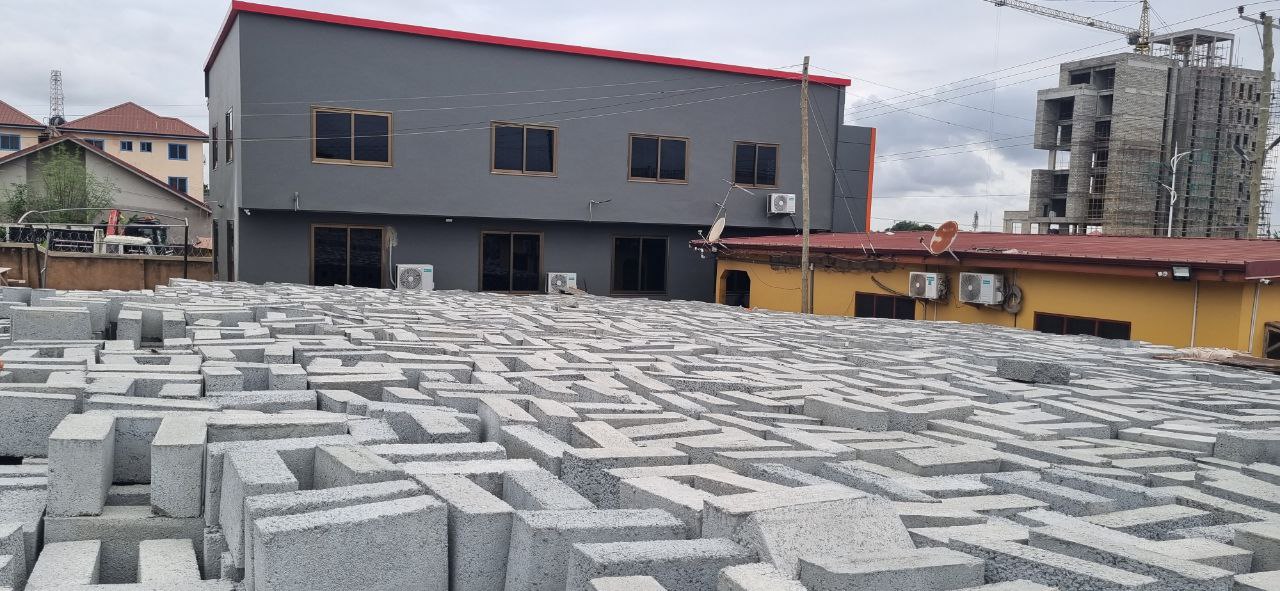
Design Process
Our team here follow a meticulous design process that encompasses various stages, from initial concept development to final construction documentation. This comprehensive approach allows us to create innovative and functional designs that meet our clients' specific requirements.
1. Initial Chat & Development
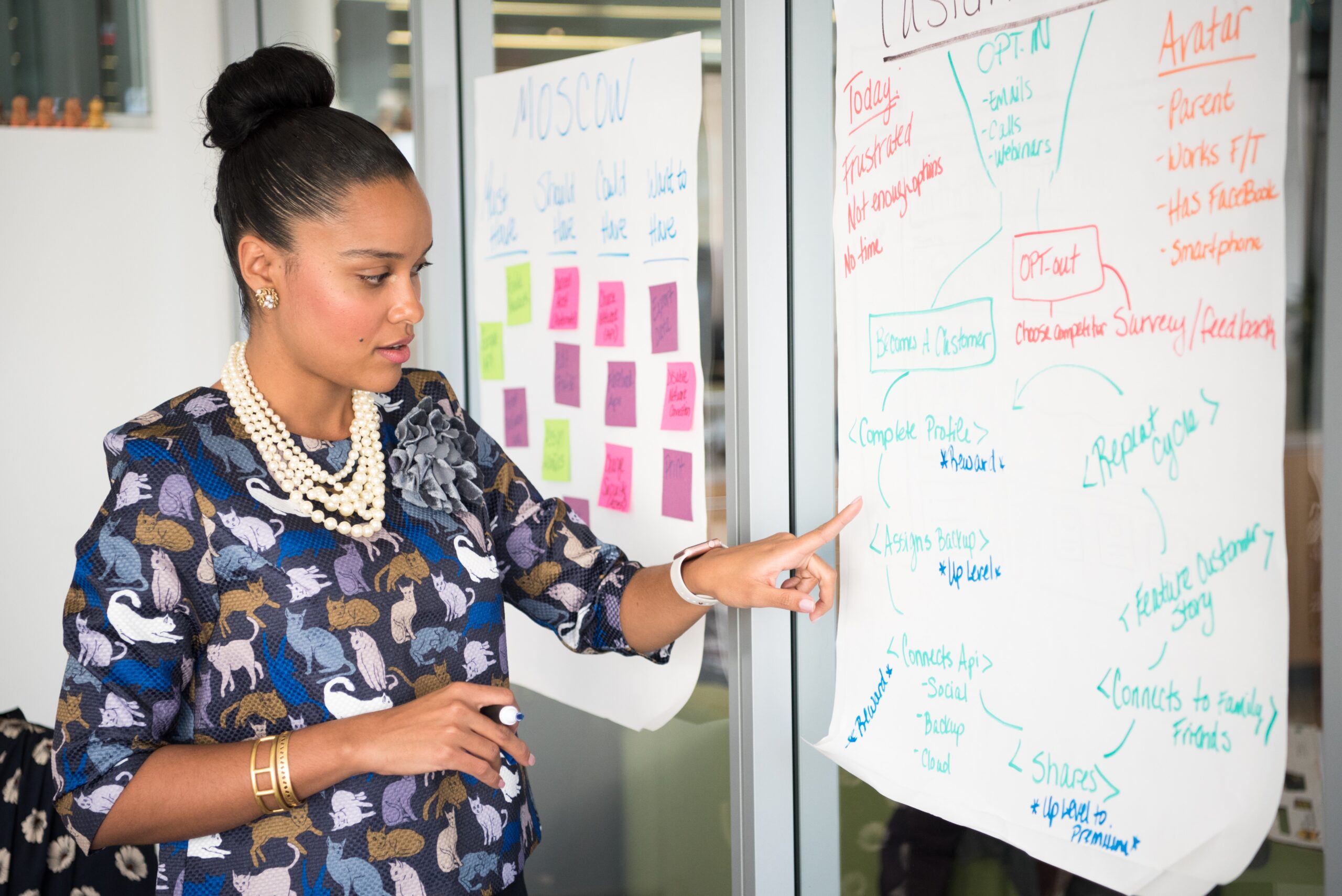
The design process is a crucial aspect of any creative project. It involves various stages and steps that help bring ideas to life and create visually appealing and functional designs. One important phase in the design process is the initial chat and development stage. During the initial chat, designers meet with clients or stakeholders to gather information about their requirements, goals, and vision for the project. This conversation helps establish a clear understanding of what needs to be achieved and allows designers to ask questions and clarify any uncertainties..

2. Design Brief
Once the initial chat is complete, the development stage begins. This is where designers start translating ideas into tangible designs. They brainstorm concepts, create sketches or wireframes, and explore different design options. The development stage also involves conducting research, analyzing competitors' designs, and considering user experience principles. By investing time in the initial chat and development stage, designers can lay a strong foundation for their projects. This ensures that they have a clear direction to follow throughout the design process and increases the likelihood of delivering successful outcomes that meet clients' expectations.
3. Functional LayoutS & Floor Plan
In the world of design, creating functional layouts and floor plans is a crucial step in the design process. These elements play a vital role in ensuring that spaces are not only aesthetically pleasing but also practical and efficient. Designers must carefully consider factors such as traffic flow, spatial organization, and the needs of the end-users when developing these layouts. Functional layouts and floor plans serve as the foundation upon which the entire design concept is built. By strategically placing furniture, fixtures, and other elements within the layout, designers can optimize functionality while maintaining a visually appealing aesthetic. The use of technology has revolutionized the design process, allowing designers to create accurate and detailed functional layouts with ease. Advanced software tools enable designers to experiment with different configurations, test various scenarios, and make adjustments in real-time. This not only saves time but also enhances collaboration between designers and clients or stakeholders.
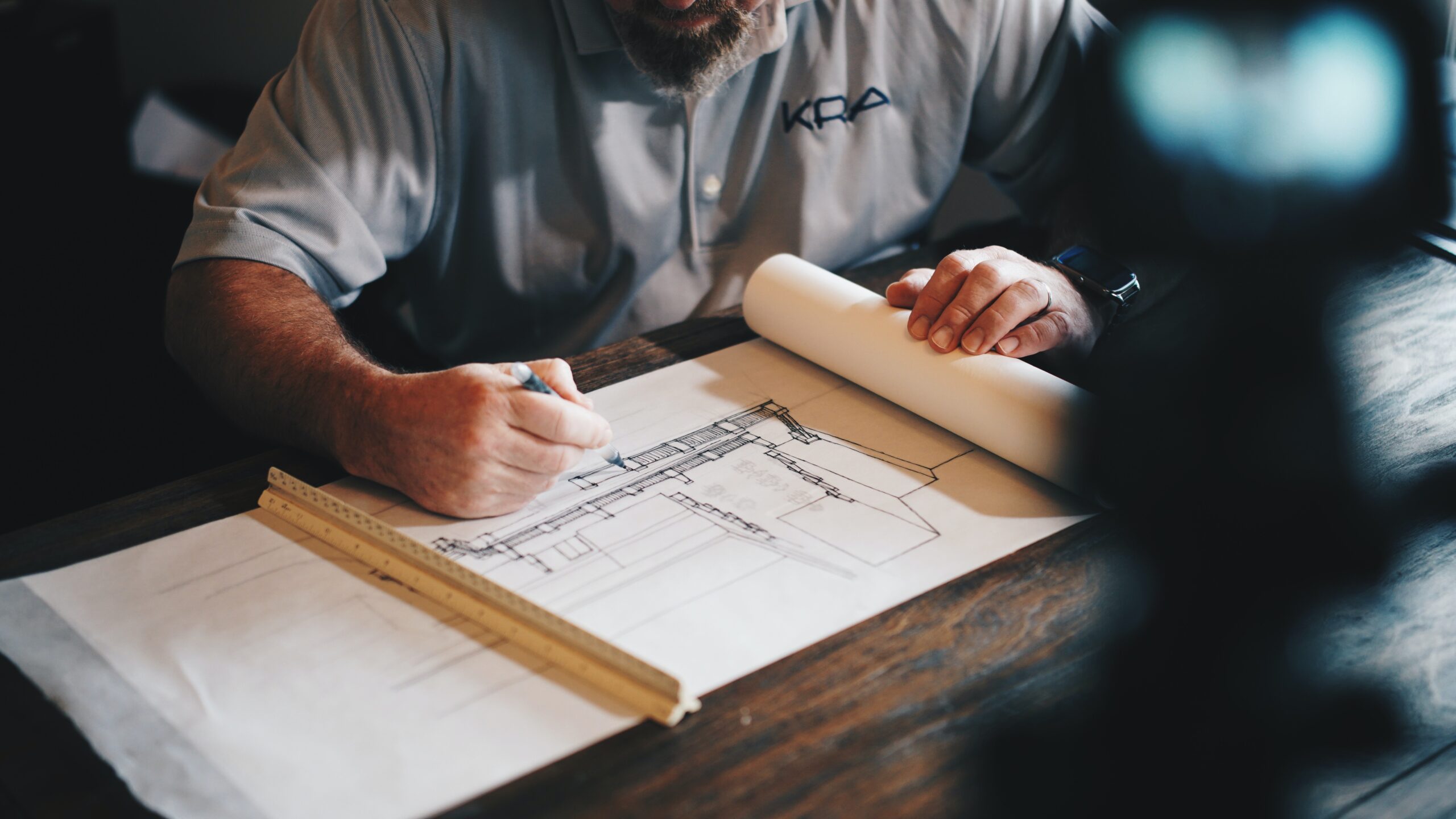
Moreover, functional layouts and floor plans are not limited to interior design projects alone. They are equally important in architectural design, landscape design, and even industrial design. In each of these disciplines, careful consideration is given to how spaces will be used and how people will interact with them. Functional layouts and floor plans are indispensable components of the design process across various industries. By prioritizing functionality alongside aesthetics, designers can create spaces that not only look great but also serve their intended purpose effectively. With technology continuing to advance at a rapid pace, we can expect further innovations that will streamline this crucial aspect of design even more in the future.
4. 3D Designs & 2D Drawings
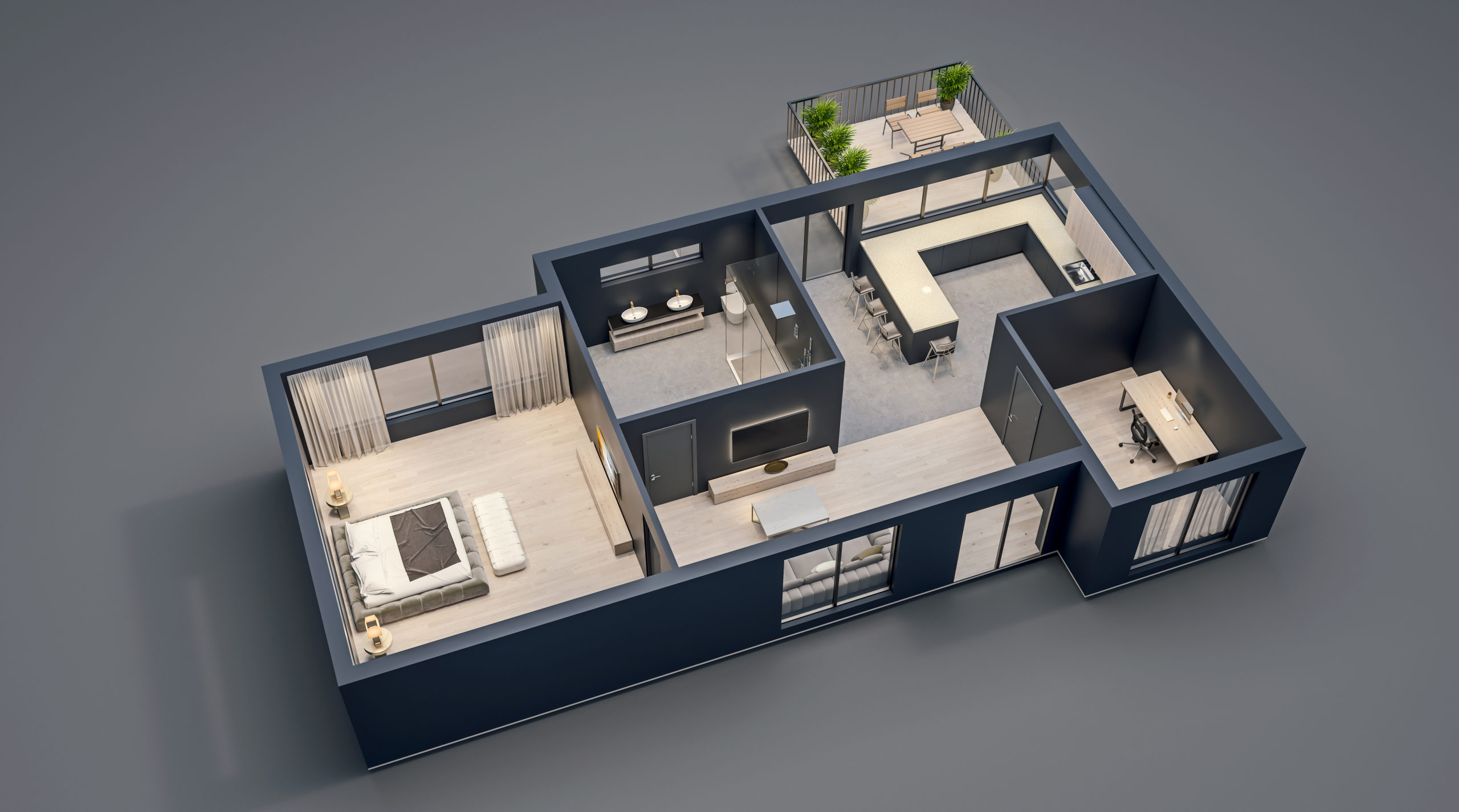
In the design process, 3D designs and 2D drawings play a crucial role in bringing ideas to life. At Vappy Limited Company, we understand the importance of these visual representations in creating innovative and functional products. Our team of skilled designers utilizes cutting-edge software and techniques to transform concepts into detailed 3D designs. These designs not only showcase the aesthetics of a product but also provide valuable insights into its functionality and manufacturing requirements. Additionally, our expert draftsmen create precise 2D drawings that serve as blueprints for production. These drawings ensure accuracy and consistency throughout the manufacturing process, allowing for seamless collaboration between designers, engineers, and manufacturers. By incorporating both 3D designs and 2D drawings into our design process at Vappy Limited Company, we guarantee exceptional quality and efficiency in product development. Trust us to bring your ideas to reality with precision and expertise.
5. Products & Materials
This section will explore how Vappy Limited Company utilizes elements to create innovative and high-quality products. Vappy Limited understands that selecting the right materials is crucial in creating products that stand out in today's competitive market. By carefully analyzing different options, we ensure that our designs not only meet aesthetic standards but also deliver on durability and sustainability. This commitment to using quality materials sets us apart from our competitors. Furthermore, we recognize that a successful design is more than just a visually pleasing object; it must also serve its intended purpose effectively. Through extensive research and development, we employ a user-centered approach to ensure that our products are intuitive, functional, and enhance the overall user experience. By combining these key elements in our design process, Vappy we consistently produce innovative and cutting-edge products that meet customer needs while staying ahead of industry trends. Whether you are a design enthusiast or simply curious about how great products come to life,we will provide valuable insights whilst delivering excellence.

6. Implementation
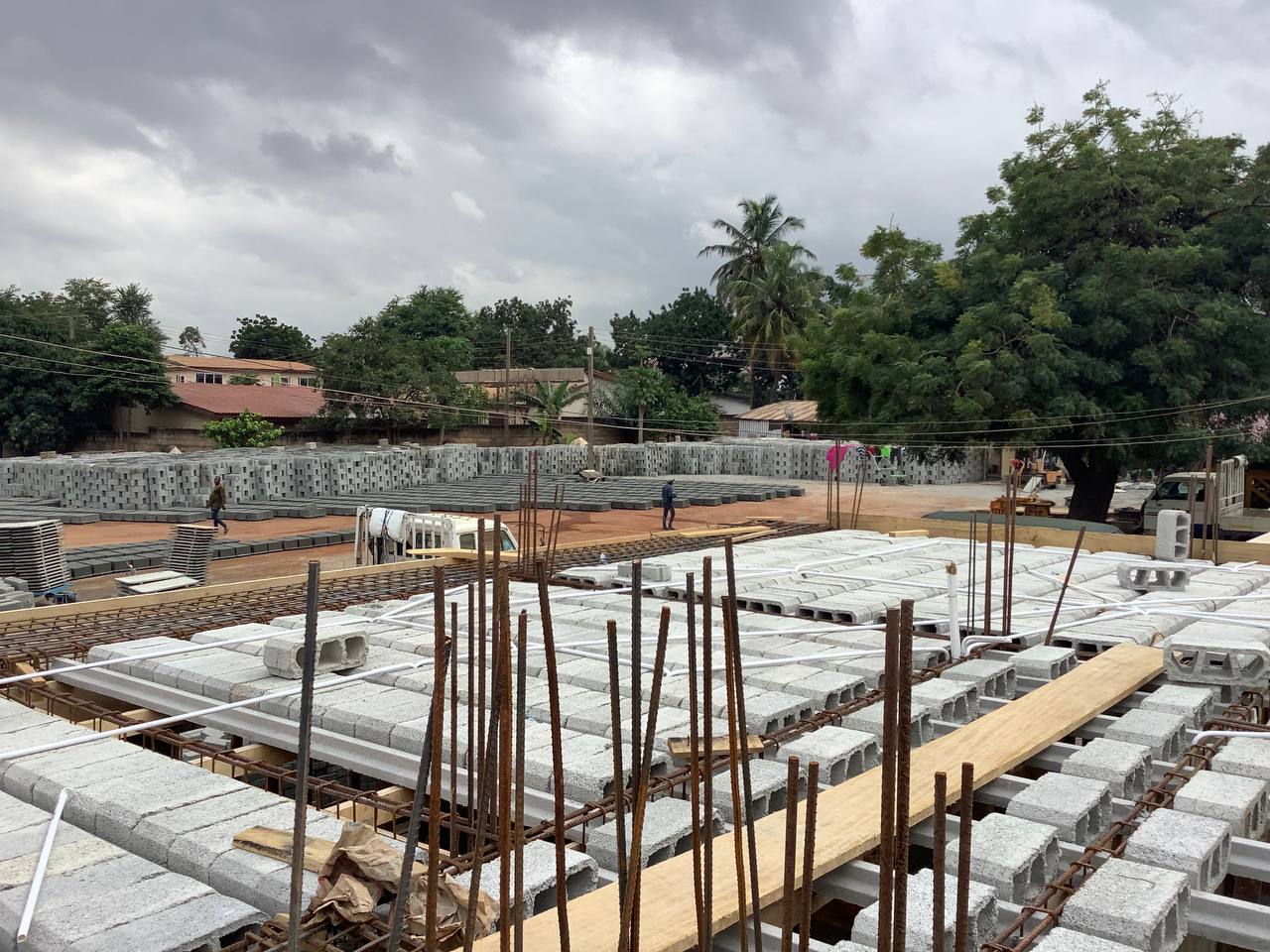
Implementation marks the final step before construction begins. At this stage, all the design plans and concepts are brought to life. This step allows designers to test and refine their ideas before moving forward with construction. This phase also requires close collaboration between designers, engineers, and other stakeholders involved in the project. It is important for everyone to be on the same page and work together seamlessly to ensure that the design is executed accurately and efficiently. During implementation, attention to detail plays a vital role. Every element must be carefully considered and meticulously executed to achieve a high-quality end result. From choosing materials and finishes to ensuring proper functionality and usability, each decision contributes to the overall success of the design. Implementation is an essential part of the design process as it bridges the gap between concept and reality. It allows designers to see their ideas come alive while providing an opportunity for refinement before construction commences. By focusing on accuracy, collaboration, and attention to detail during this stage, projects can achieve optimal results that meet both aesthetic and functional requirements.